
MSCI Energy Transition Score: A New Dimension of Risk
- The new MSCI Energy Transition Score provides a forward-looking assessment of how well a company is positioned over the next five to seven years relative to business and regulatory transition pressures.
- Correlations between the Energy Transition Score and other MSCI transition metrics, such as the Low Carbon Transition Score, were directional but moderate, suggesting that the new score captures distinct aspects of the transition risk.
- A review of equity and fixed-income risk factors indicates that scores for the energy-transition component showed limited sensitivity to market movements, were associated with lower volatility and exhibited no size bias.
The forward-looking MSCI Energy Transition Score assesses how well a company is positioned (its transition-readiness score) relative to its level of risk (its transition-pressure score). The score, ranging from 0 to 10 (with 0 being the lowest and 10 the highest) is calculated as:
5 + transition-readiness score – transition-pressure score
A new lens on the energy transition
The model recognizes that different companies face different sources of transition risk, depending on the business models, regulatory environment and access to new technologies. The Energy Transition Score therefore reflects a company’s industry- and geography-specific transition risks, focusing on those factors that are financially relevant in the short to medium term.
This approach differs from existing MSCI impact and risk metrics, such as the Low Carbon Transition (LCT) Score or Transition Climate Value at Risk (VaR), which apply a uniform approach to carbon emissions. The LCT Score, for example, evaluates companies’ exposure to low-carbon-transition risks and opportunities based on the carbon intensity of their business lines, assuming that each ton of CO2 emitted represents an equal amount of risk. The Transition Climate VaR, by contrast, is a forward-looking quantitative model that estimates the present value of potential long-term costs and benefits under different climate scenarios. It does not differentiate between types of emissions — an especially important consideration for Scope 3 emissions.
To illustrate how the Energy Transition Score relates to existing transition metrics, we analyzed its correlation with other MSCI measures as well as with stock and bond characteristics known to influence risk and return — using the MSCI Global Equity Factor Model (EFMGEMLT) for equity risk factors and option-adjusted spreads (OAS) and credit ratings for bonds.
Common genes, different expressions: How our transition metrics relate
We looked at the correlation among all transition-related metrics, including Transition Climate VaR,1 Implied Temperature Rise (ITR), Scope 1+2 and Scope 3 emissions intensity, the LCT Score and the new Energy Transition Score and its component scores (transition readiness and transition pressure). The analysis covered constituents of the MSCI ACWI Index, representing approximately 2,400 large- and mid-cap companies globally.2
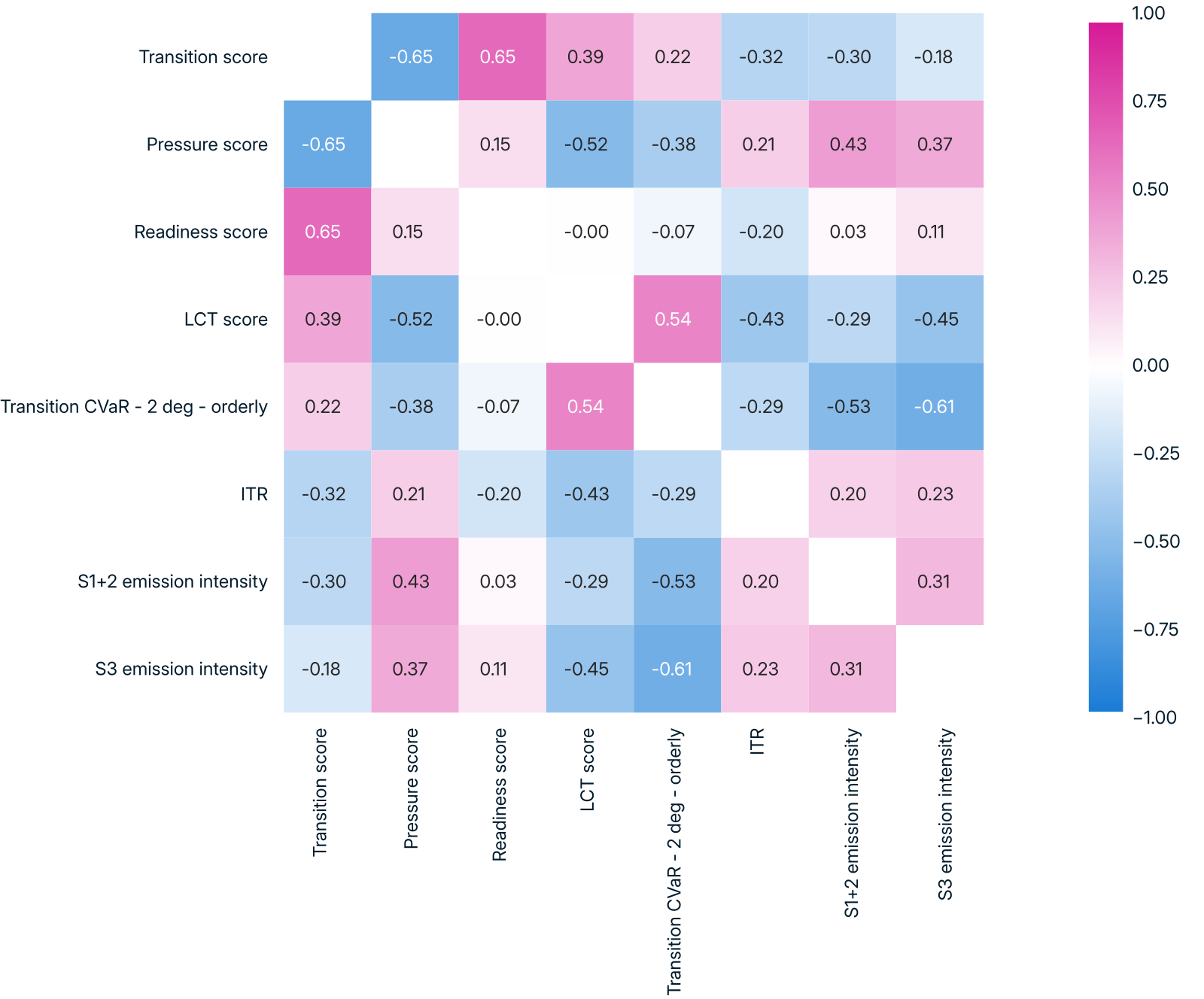
Data as of Sept. 30, 2025, for constituents of the MSCI ACWI Index. Source: MSCI Sustainability & Climate. MSCI Sustainability & Climate products and services are provided by MSCI Solutions LLC in the United States and MSCI Solutions (UK) Limited in the United Kingdom and certain other related entities.
The correlations with existing metrics were generally moderate, suggesting that the Energy Transition Score and its components capture new information. The direction of correlation was intuitive: Companies with higher ITR or higher current Scope 1+2 emissions intensity tended to have lower Energy Transition Scores. Conversely, the Energy Transition Score was positively correlated with both the LCT Score and Transition Climate VaR.
The correlation between the transition-readiness and transition-pressure scores was small but positive, indicating that companies facing greater transition pressures also tended to be better prepared to respond to them.
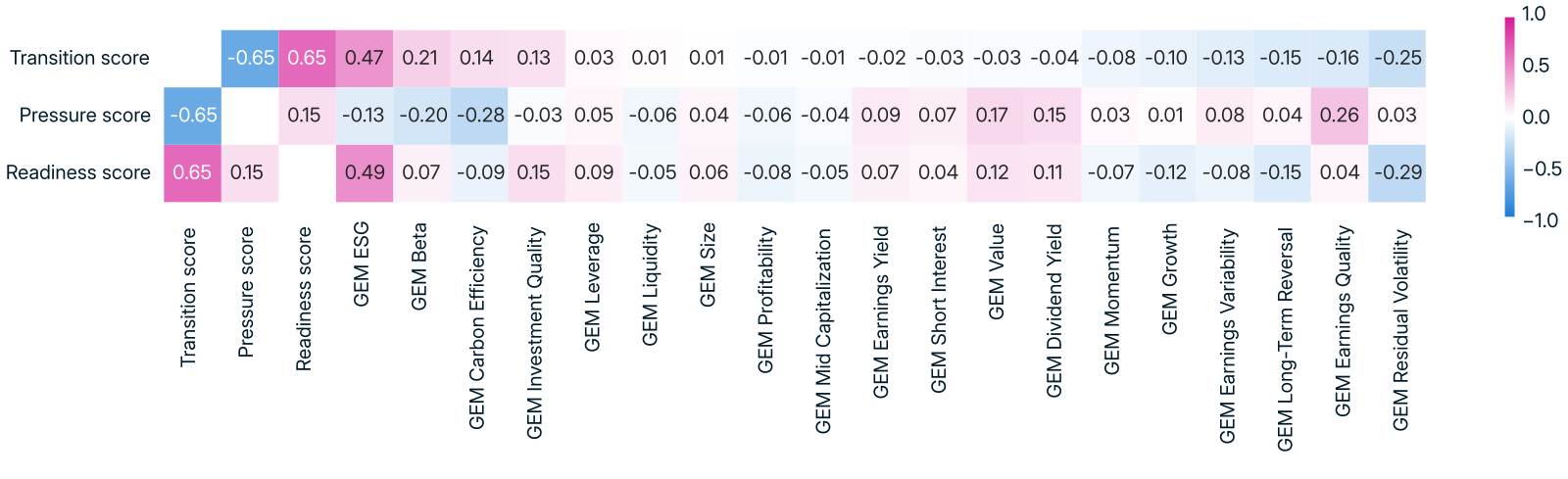
Data as of Sept. 30, 2025. The table shows the correlations between the Energy Transition Score and the style factors of the EFMGEMLT. Source: MSCI Sustainability & Climate
The Energy Transition Score and transition-readiness score were strongly correlated with the ESG factor in the EFMGEMLT. The ESG factor considers companies’ MSCI ESG Ratings, a broad measure of resilience to financially relevant, industry-specific sustainability risks and opportunities.
The positive correlation between the Energy Transition Score and the Beta factor, and the negative correlation with the Residual Volatility factor, indicate that companies with higher Energy Transition Scores tended to have greater sensitivity to market movements but lower overall volatility. The very low correlation with the size factor suggests that larger companies are not necessarily better placed to manage the transition risks they face.
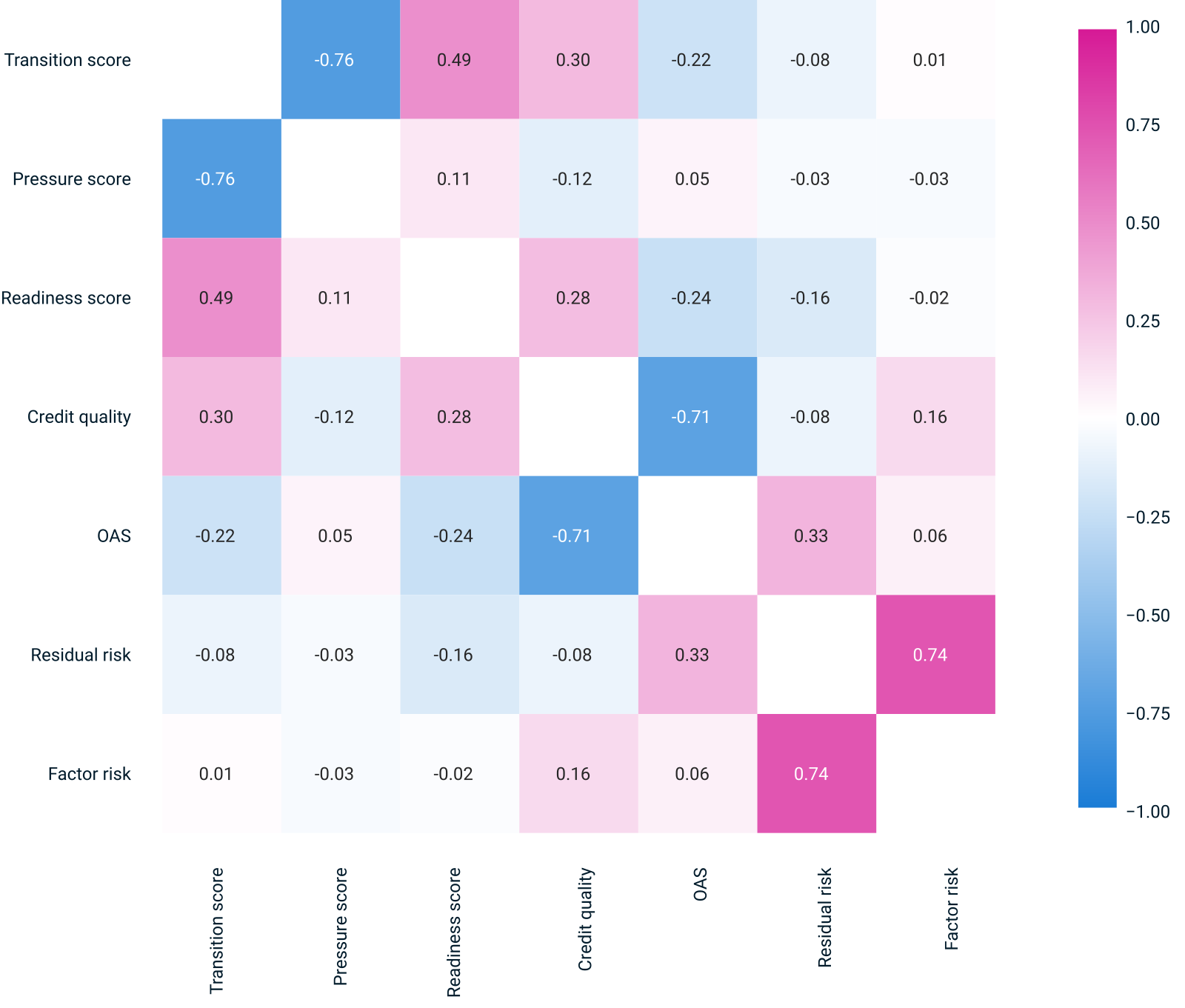
Data as of Sept. 30, 2025. The analyzed universe contained issuers with bonds that were constituents of the issuance-weighted MSCI Corporate Bond Indexes (USD and EUR). Factor and residual risk were calculated using the Multi-Asset Class (MAC) Factor Model. Source: MSCI Sustainability & Climate
We also examined the correlations between the Energy Transition Score, its component scores and key fixed-income risk factors. The directional relationships were generally as expected but showed limited overlap with traditional credit metrics and factors, indicating that the new transition-related scores capture additional information.
The Energy Transition Score, particularly the transition-readiness score, showed a moderate positive correlation with credit ratings and a negative correlation with credit spreads (OAS), suggesting some, albeit limited, overlap with credit quality and pricing of transition risks. Correlations with common fixed-income factors, such as term structure, currency or inflation, were minimal, implying that the information reflected in the Energy Transition Score is not driven by broad market factors.
However, the transition-readiness score, which focuses on an issuer’s strategy and operational preparedness for the energy transition, showed a weak negative correlation with residual volatility, indicating a modest connection to issuer- or security-specific risk.
From analysis to action
The new MSCI Energy Transition Score captures company-specific transition risks linked to industry and geography. This was evidenced by directional but generally moderate correlations with existing MSCI transition metrics. Similarly, the score showed the expected directional yet moderate correlations with global equity risk factors (with the expected exception of the ESG factor) and no size bias. In fixed income, the Energy Transition Score displayed a moderate positive correlation with credit ratings and a negative correlation with credit spreads, suggesting that transition risks are only partially reflected in bond pricing.
For investors, these findings indicate that the Energy Transition Score can add differentiated insights beyond existing climate and risk metrics. It can help identify companies whose transition readiness or pressure may not yet be fully priced by markets, supporting more nuanced strategies for portfolio construction, risk assessment and company engagement.


Subscribe todayto have insights delivered to your inbox.
Setting Expectations Amid a Bumpy Energy Transition
Using MSCI’s Energy Transition Framework, we examine how technological, financial and policy factors drive corporate decarbonization — and what that means for investors assessing transition risk.
From Targets to Tactics: How We’re Scoring the Energy Transition
The energy transition isn’t a straight line. Investors are increasingly look to understand where and how emissions create portfolio risk.
Energy Transition Framework
Assess how the energy transition may impact your portfolio and see which companies are positioned to lead with MSCI’s Energy Transition Framework.
1 Transition Climate VaR depends on the climate scenario chosen. For our analysis, we used the "2 degree orderly transition” scenario.
2 Results for the MSCI ACWI Investable Market Index (IMI) universe, which includes several thousand small-cap stocks, were similar but are not shown here.
The content of this page is for informational purposes only and is intended for institutional professionals with the analytical resources and tools necessary to interpret any performance information. Nothing herein is intended to recommend any product, tool or service. For all references to laws, rules or regulations, please note that the information is provided “as is” and does not constitute legal advice or any binding interpretation. Any approach to comply with regulatory or policy initiatives should be discussed with your own legal counsel and/or the relevant competent authority, as needed.