
Labeled Bonds: Market Overview H2 2025
Mentioned in this paper:
MSCI Labeled Bond and Loan Methodology | MSCI ESG Ratings | MSCI Fixed Income Indexes
Preview
In our regular series on green, social, sustainability and sustainability-linked labeled bonds, we break down the market by bond and issuer characteristics to identify key trends in this rapidly growing and increasingly diverse market. The market added USD 433 billion net in the second half of 2025, bringing total outstanding labeled bonds to USD 5.3 trillion, even as gross issuance fell 8% year over year to its lowest level since 2021. This overview looks at what’s driving growth, which labels, sectors and markets are leading and how labeled bonds performed relative to the wider bond market in 2025.
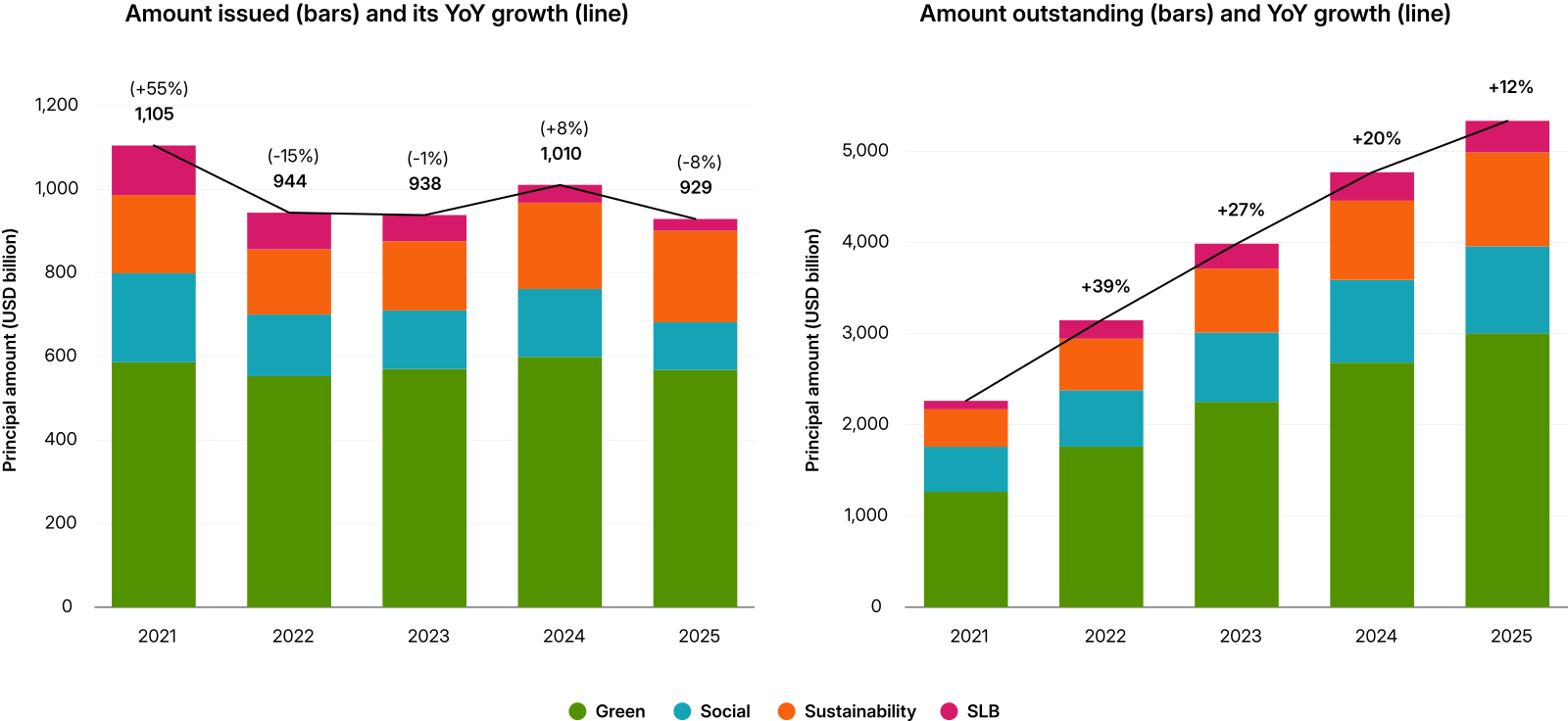
Data as of Dec. 31, 2025. Source: FactSet, MSCI Sustainability & Climate (S&C)


Read the full paper
Provide your information for instant access to our research papers.
Labeled-Bond Issuance and Cost of Debt
We explore three reasons why issuers typically issue labeled bonds: financing impact projects, financing their own environmental goals and building rapport with sustainability-oriented stakeholders. Have these issuers also enjoyed lower debt costs?
Green Bonds and Climate — Towards a Quantitative Method
While examining use of proceeds remains a key element of analyzing green bonds, we highlight four additional metrics to assess these bonds and their issuers in a more quantitative way. They offer a new set of lenses with which to tackle the analysis.
The content of this page is for informational purposes only and is intended for institutional professionals with the analytical resources and tools necessary to interpret any performance information. Nothing herein is intended to recommend any product, tool or service. For all references to laws, rules or regulations, please note that the information is provided “as is” and does not constitute legal advice or any binding interpretation. Any approach to comply with regulatory or policy initiatives should be discussed with your own legal counsel and/or the relevant competent authority, as needed.