
Delivery RisksWill the carbon credit be issued as expected?
Delivery risk applies primarily to ex-ante carbon credits, that is credits sold before emissions reductions or removals have occurred. It reflects the likelihood that a project delivers the volume of credits it has promised.

What is delivery risk?
Delivery risk is the possibility that a project fails to deliver its expected emissions reductions or removals, due to financial constraints, technical challenges, political instability or natural events.
It does not apply to credits that have already been issued. But it is central to assessing forward purchases or long-term offtake agreements, where buyers commit to credits before they exist.
How delivery risk is assessed
To estimate the likelihood that a project will deliver credits in line with expectations, delivery risk assessments consider several factors:
- Project execution: Does the project have the technical capacity and operational readiness to deliver?
- Financial strength: Is there sufficient financing to sustain the project through its crediting period?
- External risks: Is the project exposed to political, regulatory or natural risks that could disrupt delivery?
Together, these factors indicate the likelihood and potential scale of a delivery shortfall.
How delivery risk varies across project types
Delivery risk can vary substantially across project types and stages of development, making project-level assessment essential.
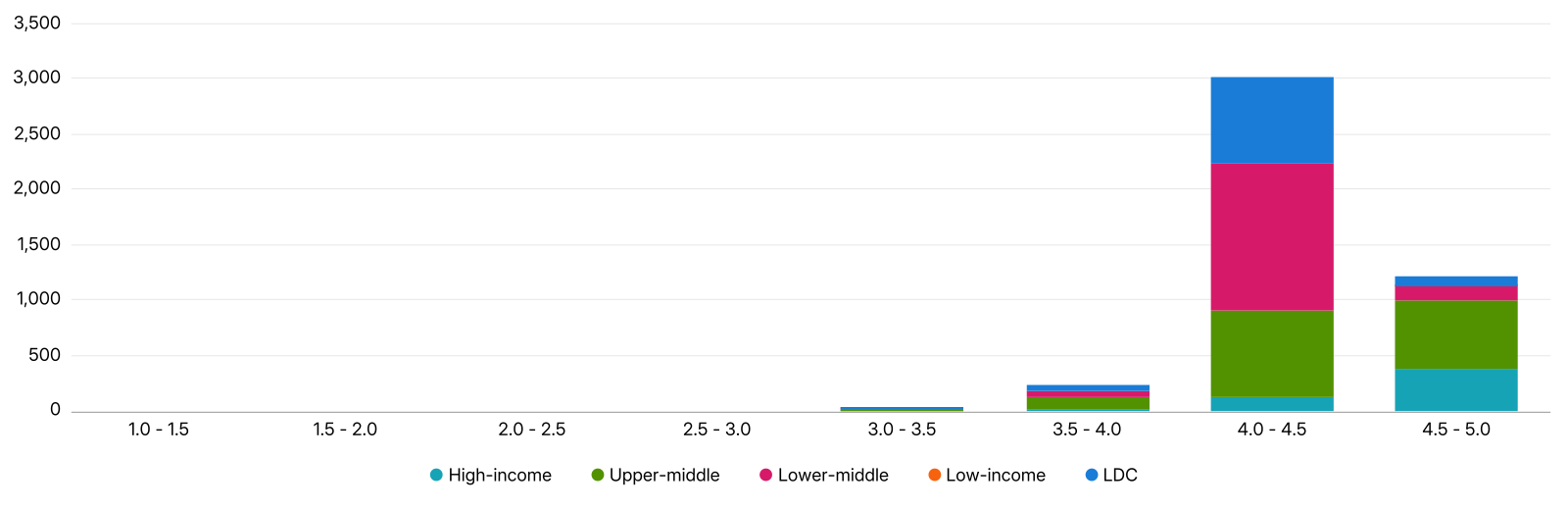
Common patterns observed include:
- Engineered removal projects often carry higher delivery risk because they are technically complex and many rely on technologies that have not yet been widely deployed.
- Nature-based projects may face delivery risk linked to environmental and governance factors.
- Mature reduction projects with established technologies tend to exhibit lower delivery risk once operational.
Case illustration: Delivery risk in engineered removals
Engineered removal projects rely on technologies that are often still maturing. Delays, cost overruns or performance uncertainty are common risks. Assessments examine technical maturity, financing commitments and contingency planning to estimate the likelihood of delivery shortfalls.
Conclusion
Delivery risk affects whether promised credits materialize as expected and is particularly important when buyers commit to credits before they have been issued. Assessing execution capacity, financial strength and external risks helps users gauge how likely a project is to deliver what it promises and increases confidence in future emissions outcomes.
Carbon Project Ratings
Investor-grade ratings for over 4,000 carbon projects grounded in granularity and backed by geospatial intelligence.

Projects and Transactions
Access roughly 30,000 projects spanning more than 15 registries and 1 million transactions.1

1 Data and coverage as of December 2024.