
See how projects, standards and markets connect to create and trade carbon credits
A market with many moving parts
The carbon credit market connects a range of participants, from the developers who create projects to the companies that ultimately use (or ‘retire’) credits against their emissions. Understanding who plays what role, and how a credit moves through the system, helps explain both how the market functions and where integrity risks can arise.
The key players
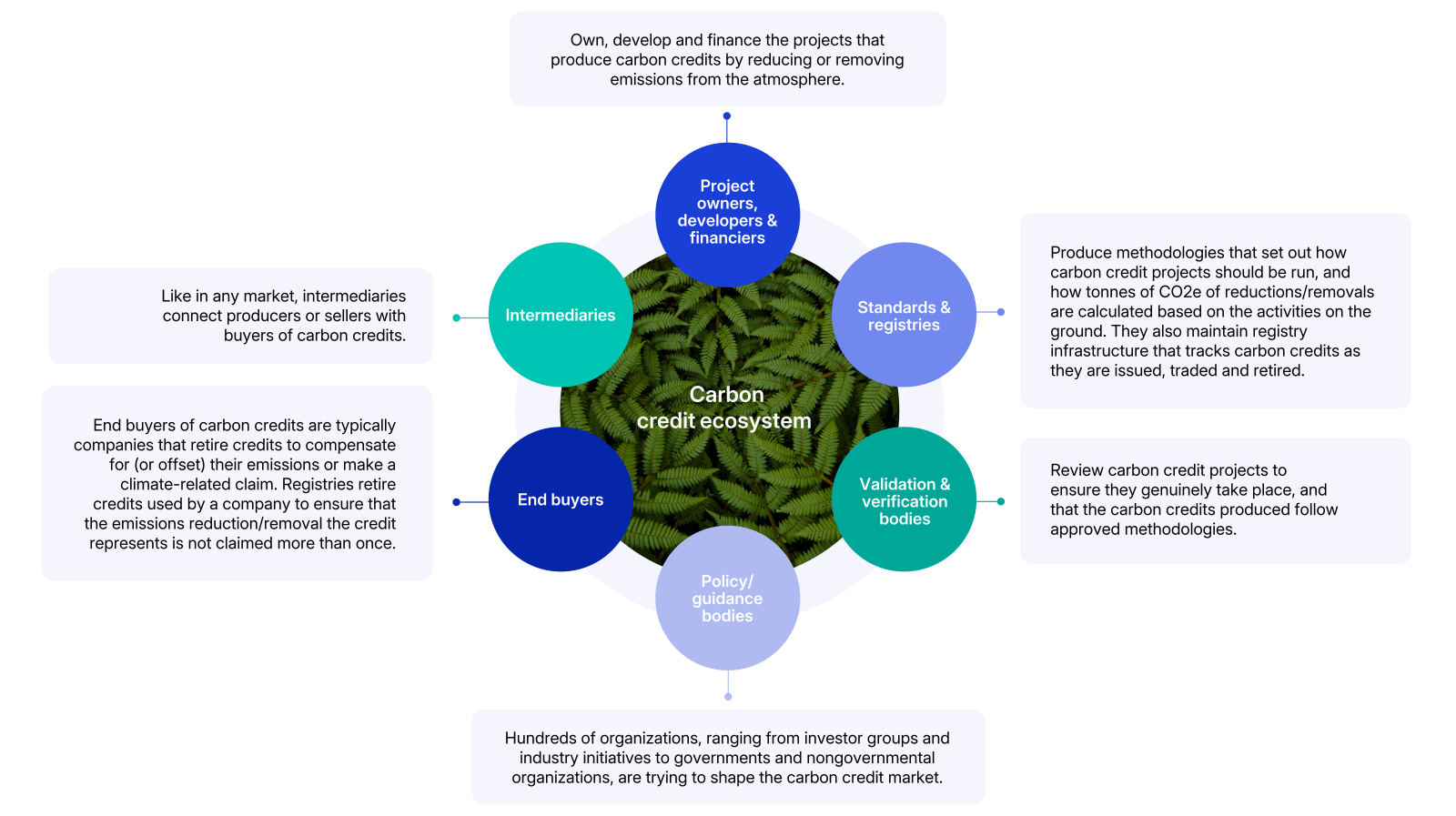
- Project owners, developers and financiers own, design and fund the projects that reduce or remove emissions from the atmosphere.
- Standards and registries develop methodologies that define how projects must be run and how emissions reductions or removals are calculated based on project’s activities on the ground. They also maintain registry systems that track carbon credits as they are issued, traded and retired.
- Validation and verification bodies (VVB) independently review projects to ensure they genuinely take place and that the credits produced follow approved methodologies.
- Intermediaries connect producers or sellers with buyers of carbon credits — including traders, brokers, rating agencies and retailers.
- End buyers are usually companies or individuals that purchase and retire credits to support climate claims or compensate for their emissions. Registries retire credits on behalf of buyers to ensure the underlying reduction or removal is not claimed more than once.
- Policy and guidance bodies shape market expectations and provide high-level rules or recommendations for how credits should be used or governed. These range from investor groups and industry initiatives to governments and nongovernmental organizations.
How a credit moves from project to retirementCreating and using a carbon credit typically follows three stages:
After a project is identified and funded, a project design document is prepared, reviewed by a VVB and formally registered with a crediting program. This stage along can take several years and involve extensive documentation. 2. Project operation and credit issuance
Once a project is underway, its emissions impact is monitored and verified by a VVB to confirm the emissions savings. Credits are then issued into the project’s registry account. The quantity of verified reductions or removals determines the number of credits issued in any given year. 3. Transaction and retirement
Credits may be sold through intermediaries or directly to buyers, either over the counter or through exchanges. A credit delivers its final climate benefit when it is retired, ensuring the underlying emissions reduction or removal is only claimed once. The year in which emissions were reduced or removed is known as the credit’s vintage.
Conclusion
The carbon credit ecosystem connects project developers, standards bodies, verifiers, intermediaries and buyers all the way from project origination through to credit retirement. Each stage involves checks designed to ensure that credits reflect a measured, verified and traceable climate impact.
Carbon Market Solutions
Gain clarity in fast-evolving carbon markets with investor-grade data, analytics and insights.

Carbon Credit Prices
Track carbon credit pricing through multiple price indexes, AI-driven tools and detailed market analysis.