
Legal and Ethical RisksIs the project developed responsibly and lawfully?
A project’s emissions reductions can be genuine but still carry legal or ethical risks. Legal and ethical integrity reflects whether a carbon-credit project is implemented in a way that respects laws, rights and ethical standards. Weak practices in this area can undermine a project’s long-term viability and expose buyers to reputational risk.
What is legal and ethical integrity?
Legal and ethical integrity captures the likelihood that a project is developed and operated in compliance with applicable laws and ethical norms. This includes respect for land and community rights, transparent governance, and avoidance of corruption or serious misconduct.
How legal and ethical integrity is assessed
Assessments estimate the likelihood of legal or ethical risks affecting a project’s delivery or credibility, including:
- Developer conduct: Do project developers or owners show indicators of unethical or illegal behavior, including adverse media or governance concerns?
- Country and regulatory context: Does the project operate in an environment with elevated governance or corruption risk?
- Stakeholder safeguards: Does the project include mechanisms to respect land tenure, community rights and grievance processes?
These factors are assessed collectively to estimate the risk that legal or ethical issues could undermine the project’s integrity.
How legal and ethical risks vary across project types
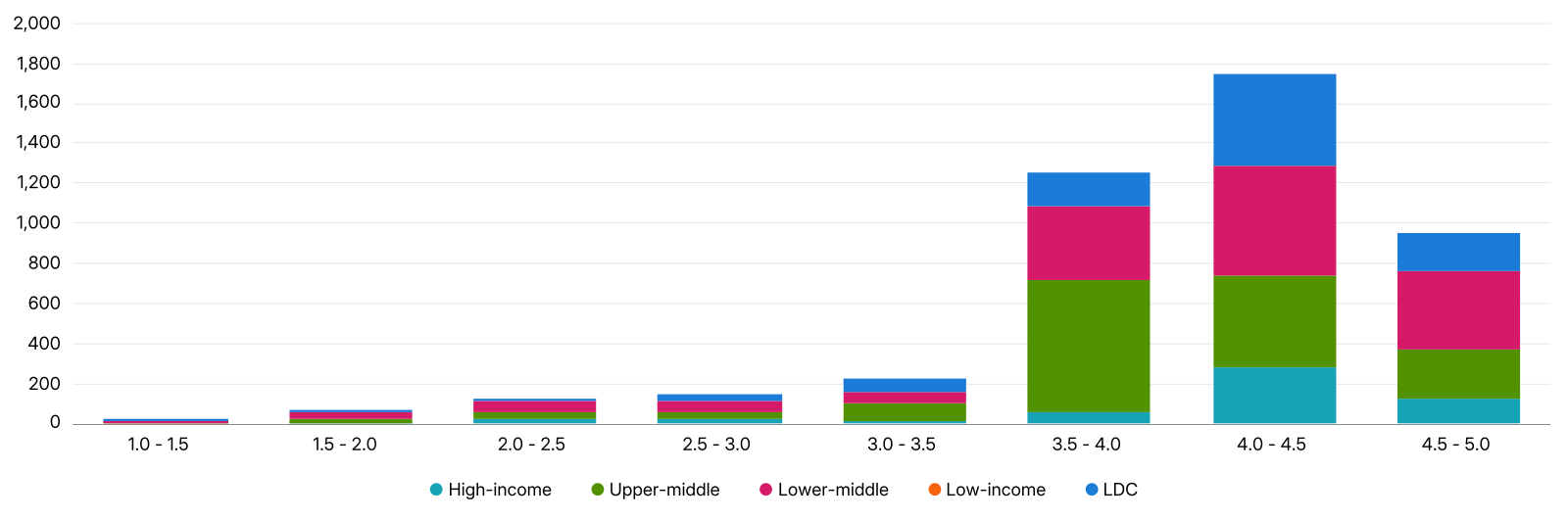
Legal and ethical risk is influenced more by context and governance than by technology.
Common patterns observed include:
- Nature-based projects may face higher legal and ethical risk where land tenure is unclear or community engagement is weak.
- Projects in lower-income or high-risk jurisdictions may face elevated governance risks, though outcomes vary significantly by developer.
- Capital-intensive engineered projects often operate in more regulated environments, though this does not eliminate all ethical risks.
Outcomes can vary within each project type, reinforcing the importance of project-level assessment.
Case illustration: Legal and ethical risk in land-use projects
Land-use projects highlight how legal and ethical integrity affects long-term credibility.
Projects operating on contested land or without transparent benefit-sharing arrangements may face community opposition or legal challenges. Those with clear land rights, documented stakeholder engagement and accessible grievance mechanisms tend to exhibit lower risk.
Assessments therefore examine both the operating environment and the project’s governance practices to build a complete picture of legal and ethical risk.
Conclusion
Strong emissions outcomes and weak governance can coexist in the same project. Weak governance or safeguards can undermine otherwise credible emissions outcomes and expose buyers to long-term risk.
Carbon Project Ratings
Investor-grade ratings for over 4,000 carbon projects grounded in granularity and backed by geospatial intelligence.

Projects and Transactions
Access roughly 30,000 projects spanning more than 15 registries and 1 million transactions.1

1 Data and coverage as of December 2024.