
Asia Pacific Capital Trends: Renewed Optimism in Commercial Property
Preview
After a turbulent start to the year, Asia Pacific’s commercial-property markets rebounded in the third quarter of 2025. Lower financing costs, easing trade tensions and a new appetite for portfolio and entity-level deals bolstered the region’s recovery.
Highlights:
- Commercial-property investment bounced back in the third quarter of 2025, reversing the dip in activity in the second quarter and growing by 25% from the year before.
- Portfolio and entity-level deals — particularly in data centers, living sectors, Japan multifamily and Australian warehouses — have buttressed deal volume in the region this year.
- Cross-border investment rose for the fifth consecutive quarter, with increased spending from both regional and global buyers. The share of cross-border activity in the quarter matched the 2019 record high.
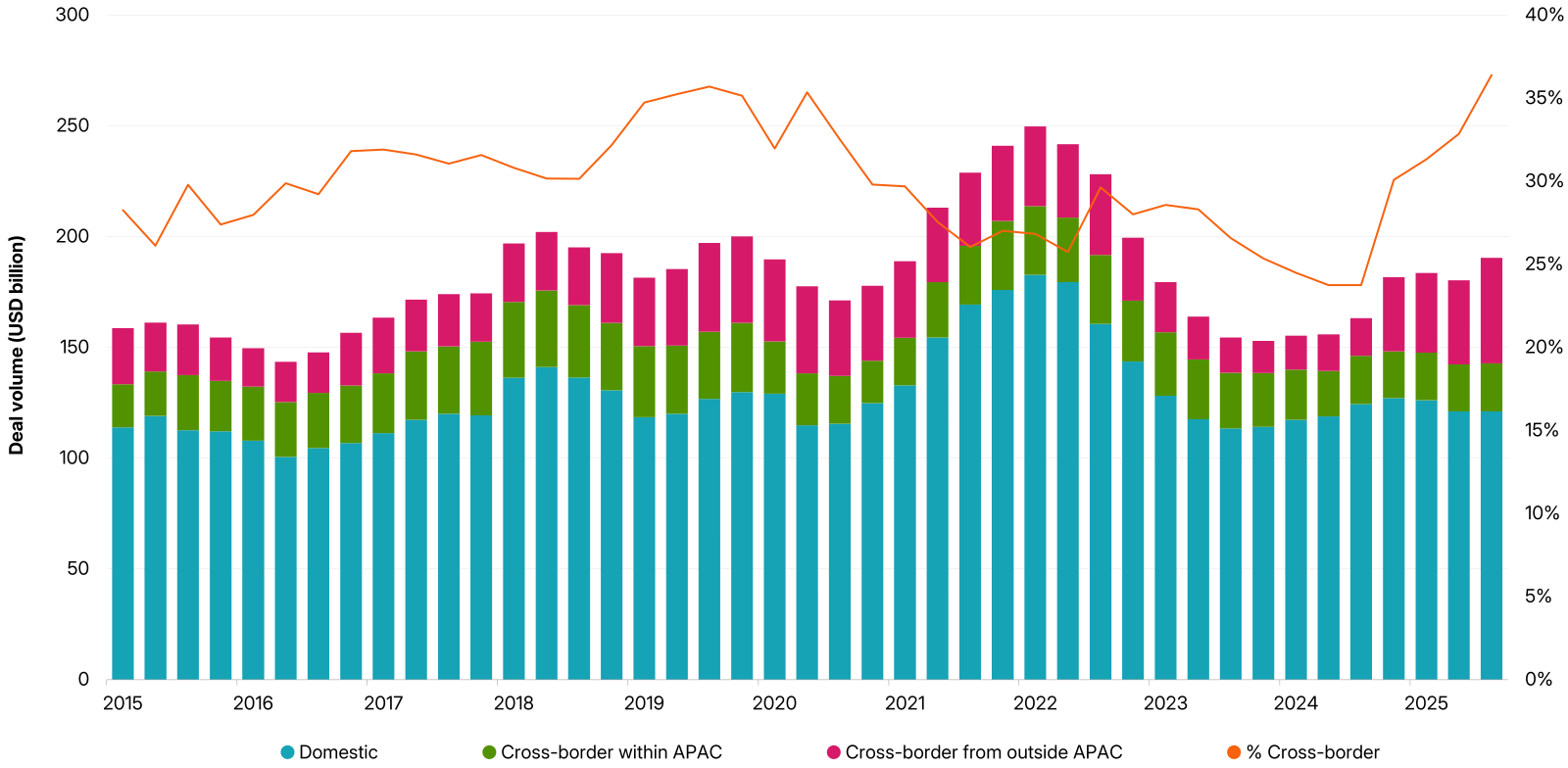
Source: MSCI Real Capital Analytics

Read the full paper
Provide your information for instant access to our research papers.
MSCI Real Estate Market Size
Our analysis of the professionally managed real-estate universe provides a deeper understanding of the relative size of markets in 2024 and the universe’s composition by property and investment type.
The New Drivers of Infrastructure Performance
Airports and transport assets, once the pillars of infrastructure returns, have receded in influence as segments tied to the energy transition and digitalization hold greater sway.
The content of this page is for informational purposes only and is intended for institutional professionals with the analytical resources and tools necessary to interpret any performance information. Nothing herein is intended to recommend any product, tool or service. For all references to laws, rules or regulations, please note that the information is provided “as is” and does not constitute legal advice or any binding interpretation. Any approach to comply with regulatory or policy initiatives should be discussed with your own legal counsel and/or the relevant competent authority, as needed.